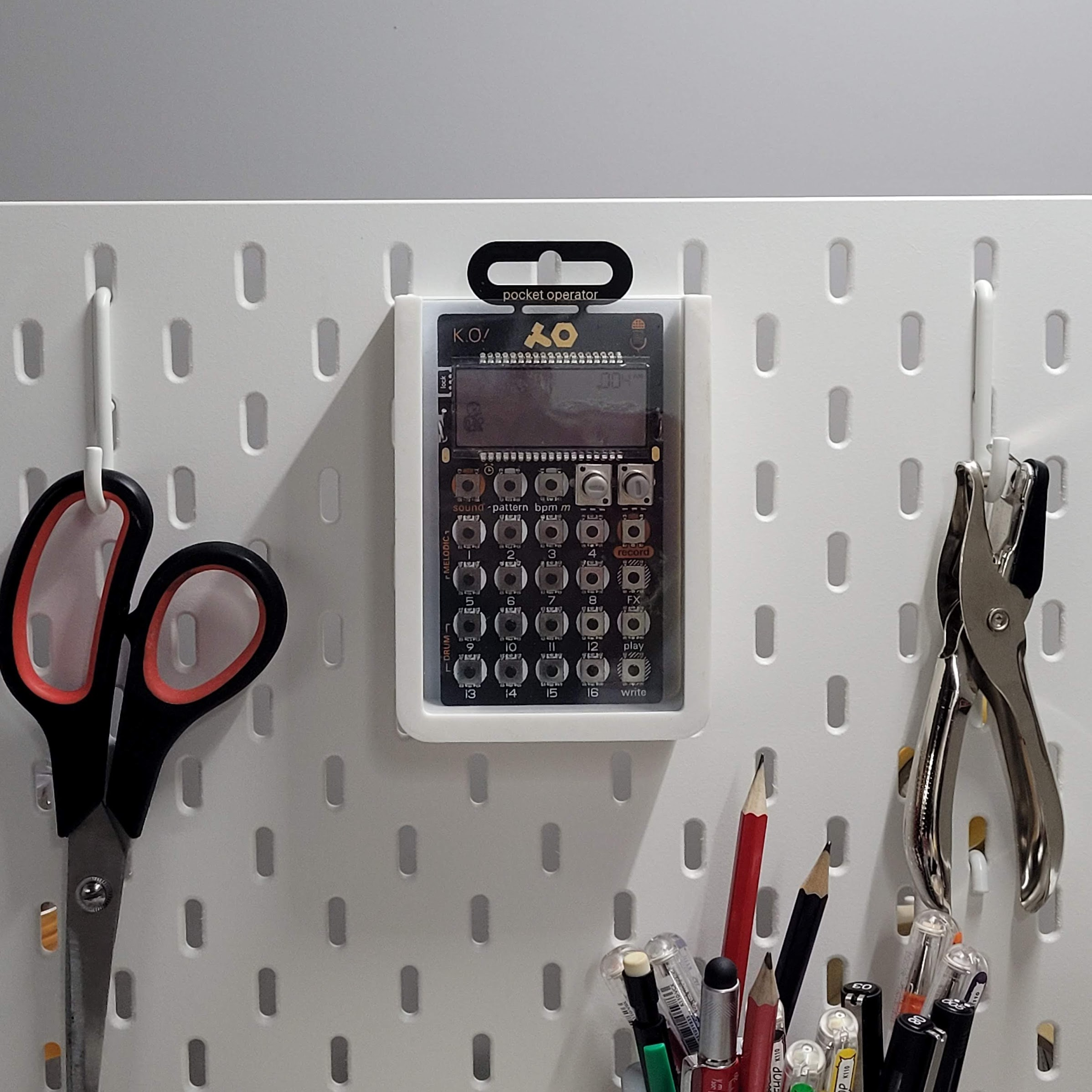
Making a Pegboard Mount for a Pocket Operator
One of the best things I've ever bought to organize my apartment was a desktop pegboard I found at IKEA (the SKÅDIS series). In addition to not having to drill holes in the walls, the ability to move it from one table to another, or store it in a closet when you want to pretend to be a normal person for guests, is very useful. I put the things I use most often and that always end up scattered around the table: calipers, rulers, notebooks, pencils and pens, post-its, scissors, etc. The idea is to have easy access to these items without them constantly taking up the little space I have on my work desk.
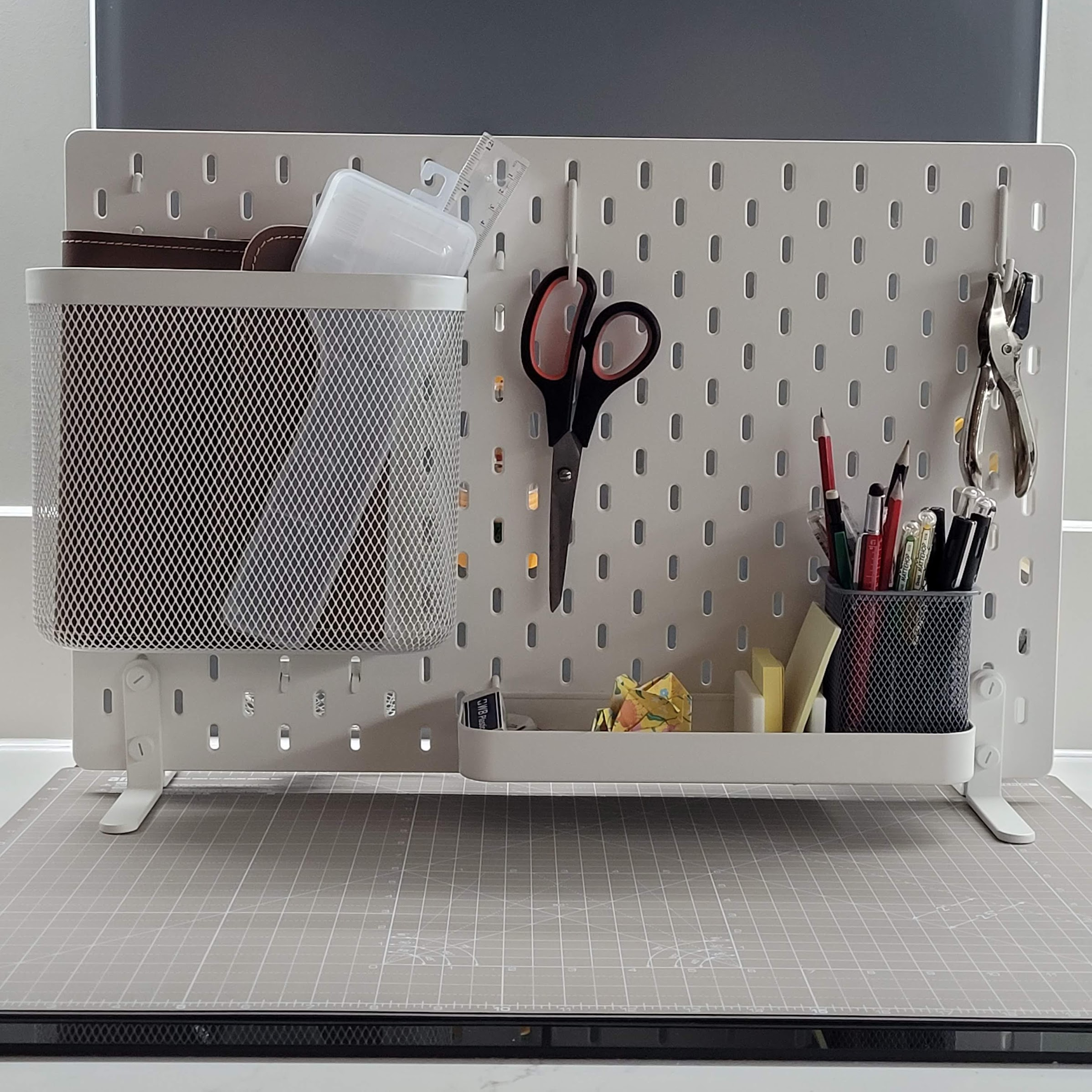
One of the items I want to put on the pegboard is my Pocket Operator: a wonderful little device that helps you sketch and experiment with music. Even though I love it, I use it less often than I would like, so I thought I would put it there, so that it would always be easy to access, reminding me of its existence whenever I need to grab a pencil or a pair of scissors.
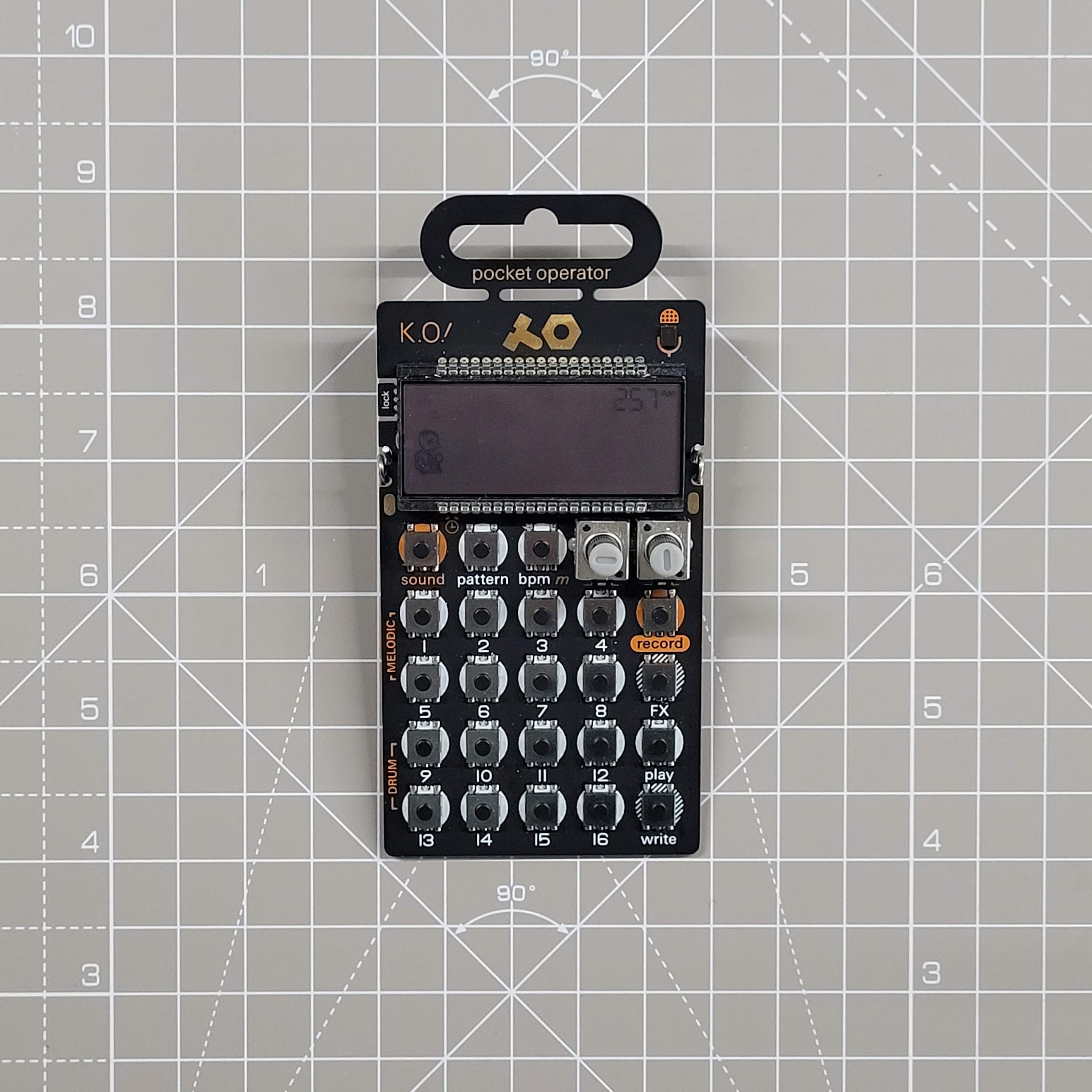
Although the Pocket Operator already has a hook to hang it on, I didn't want to risk breaking this part by accident (especially since it is optionally detachable) nor did I want to leave it so exposed on the pegboard, running the risk of getting hit when I try to take it out or put some other tool near it. The problem is that I'm really picky about this thing. I think the design of this device is brilliant: an exposed circuit board with the components soldered directly onto it. It gives me a feeling of something experimental, kind of unfinished, which encourages me to start doing things without necessarily needing to finish or achieve a clear goal: doing things for the sake of doing them. The problem is that it also gives me the feeling of something super fragile, which is why I'm so picky about hanging it on the pegboard.
I then decided to make something that would protect it better, but without visually obscuring it, so that whenever I looked at the pegboard, I could see it there. I came up with the idea of a simple box, made on a 3D printer. It would have a transparent front and would be open at the top to make it easier to take the device out and put it in.
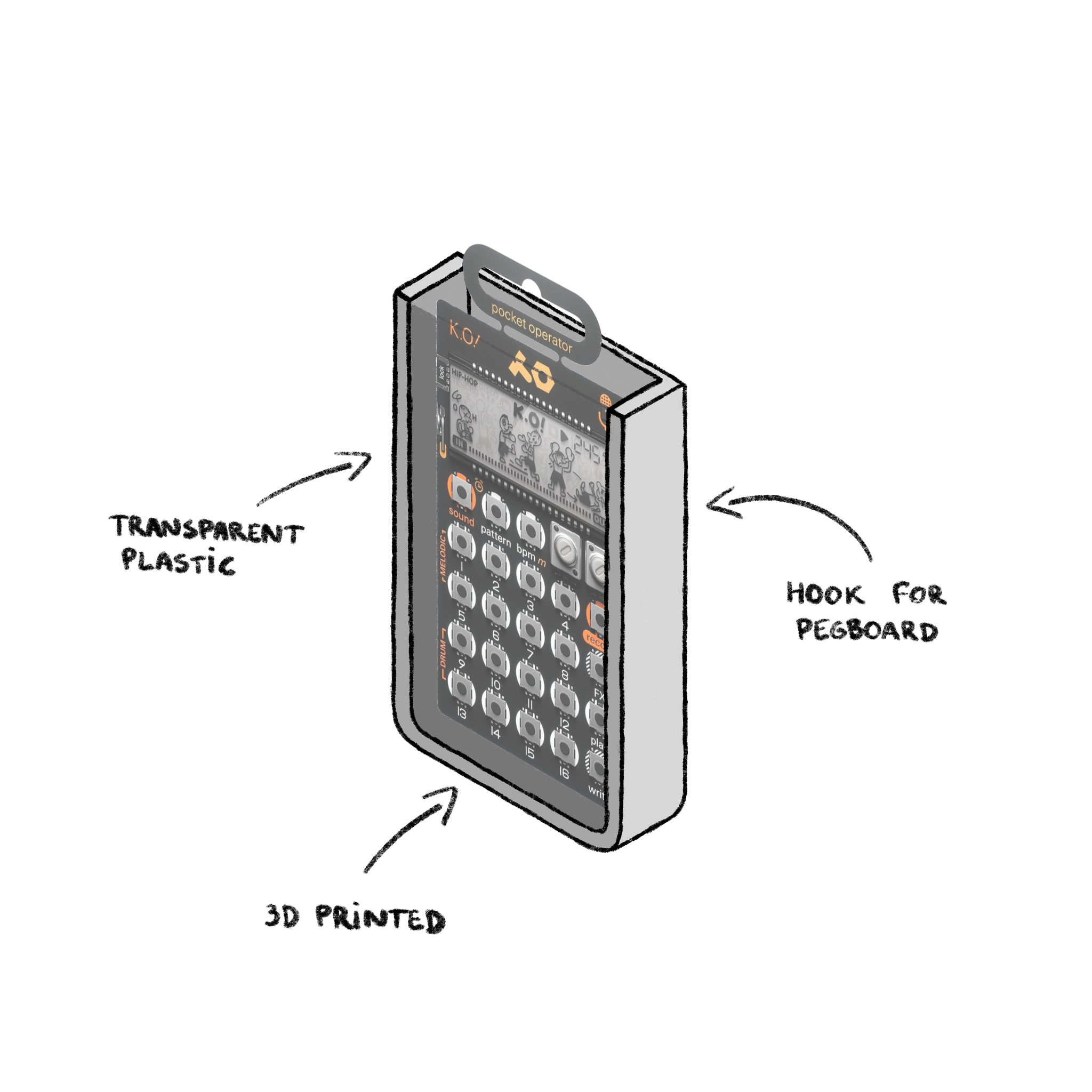
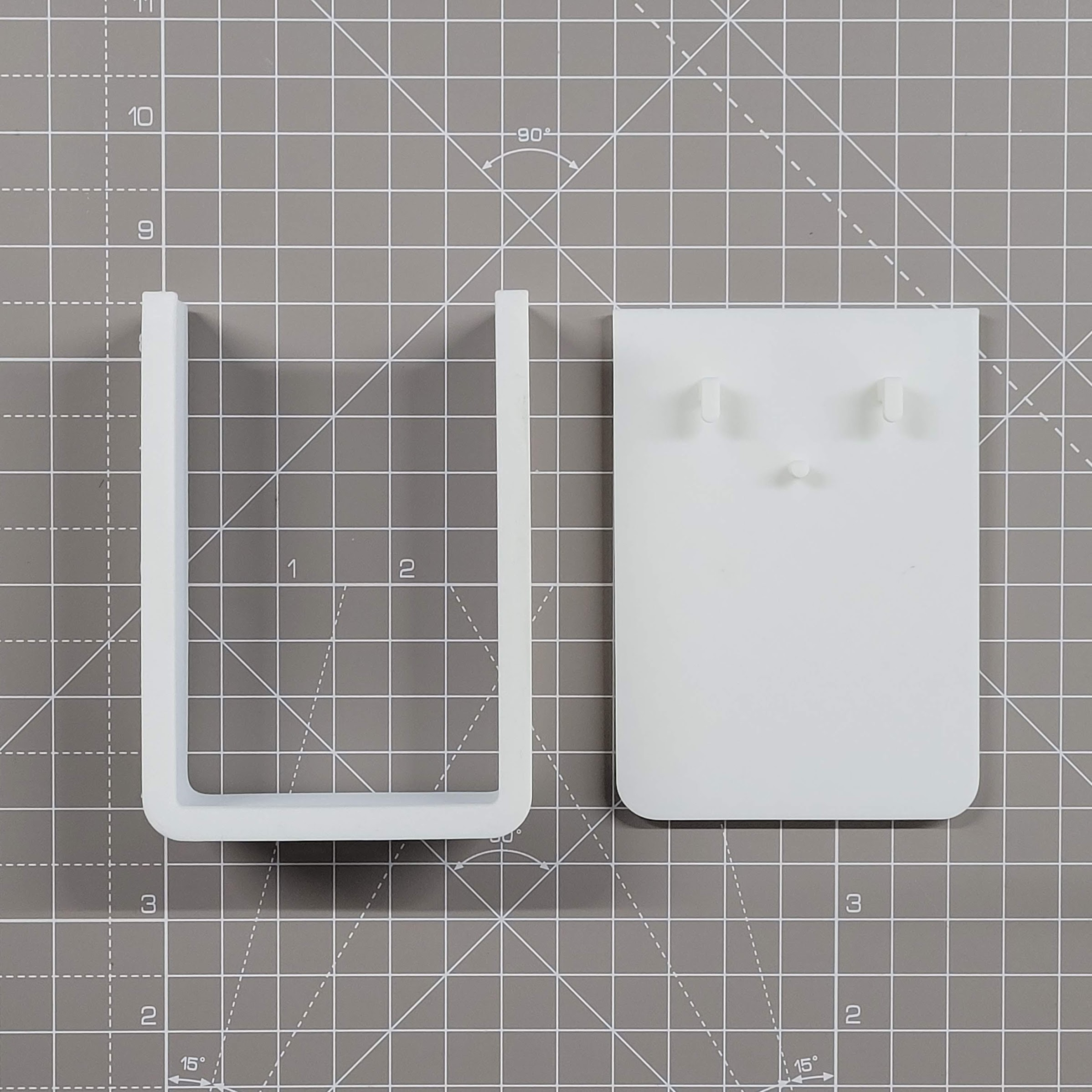
I started by modeling the part that would be 3D printed. I made it in two parts to avoid using too many supports during printing. The back piece has two hooks that fit into the IKEA pegboard to hold it there and maintain stability. Printing ended up being super easy, without much complexity in the structure.
To make the transparent part of the front, I used a piece of plastic from a sushi container that I had eaten for lunch (and long live the three R's of recycling: reduce, reuse and ruin the structures of capitalism). If anyone wants to make something similar and doesn't have access to a sheet of plastic to reuse, it's worth looking for places that sell thin sheets of acrylic or acetate.
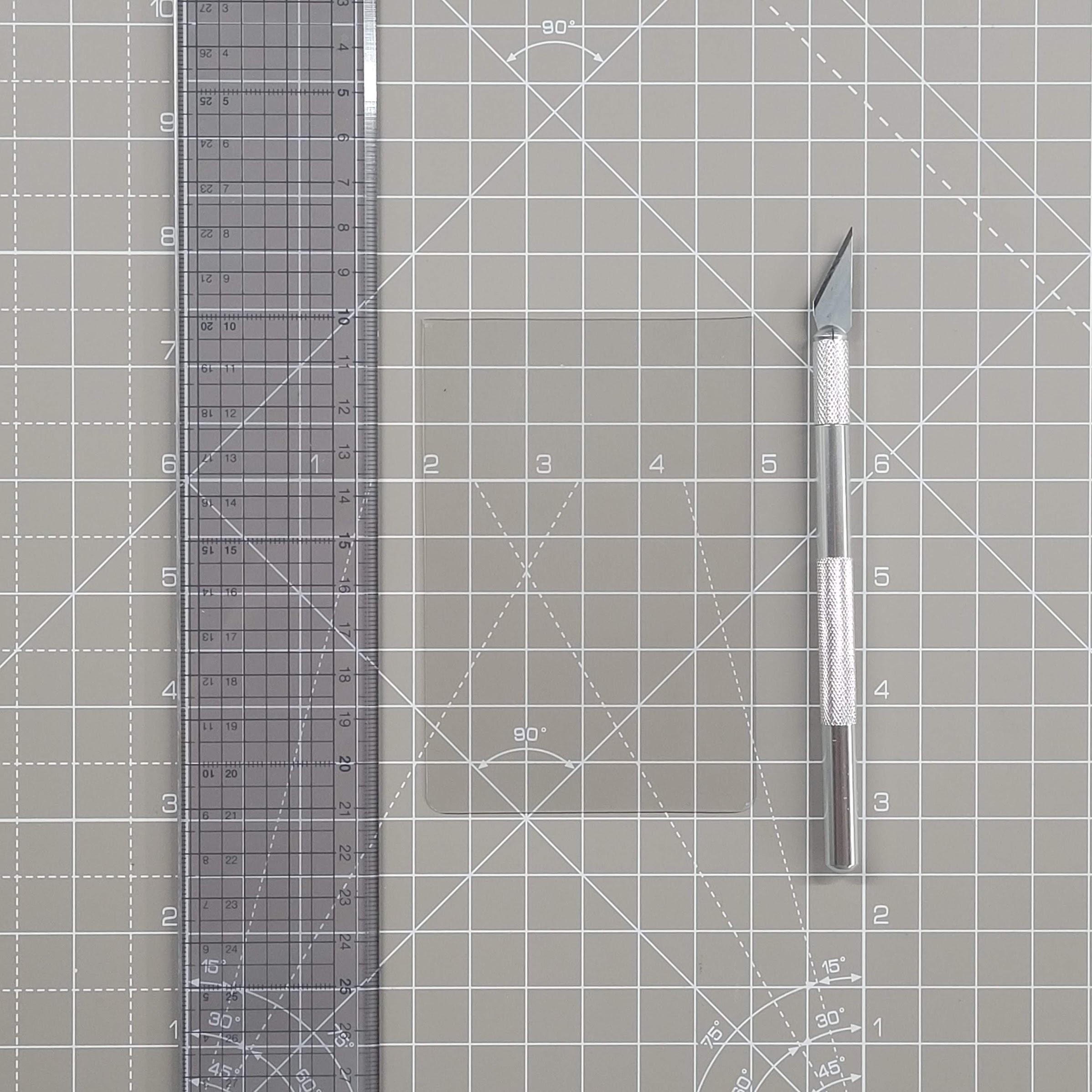
It was a pain to cut this thing to the right size. I used one of those hobby knife/exacto knife and a simple ruler, which kept slipping on the plastic all the time. Making a straight enough cut was a herculean task. But in the end, precision was not an objective, except for the top part, the ends of the plastic are hidden behind the edge of the piece made in the 3D printer.
I added a layer of EVA on the inside of the box that was printed. This helped to eliminate the annoying noise that anything makes when it passes orthogonally through the layers of the 3D print.
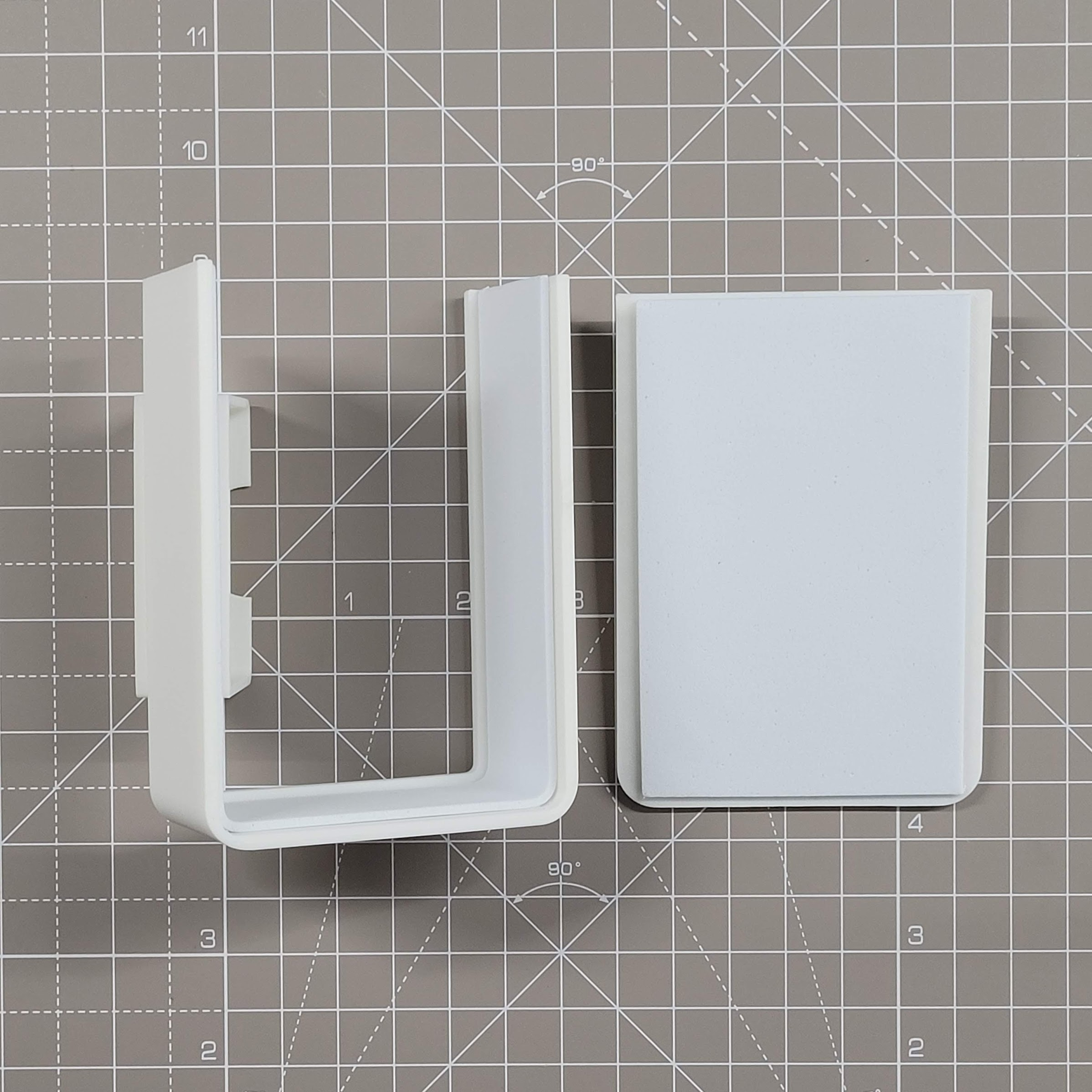
I glued everything together with super glue and tah-dah. Now I can store my Pocket Operator fulfilling all the picky requirements that I've created in my own head and probably only exist there.